

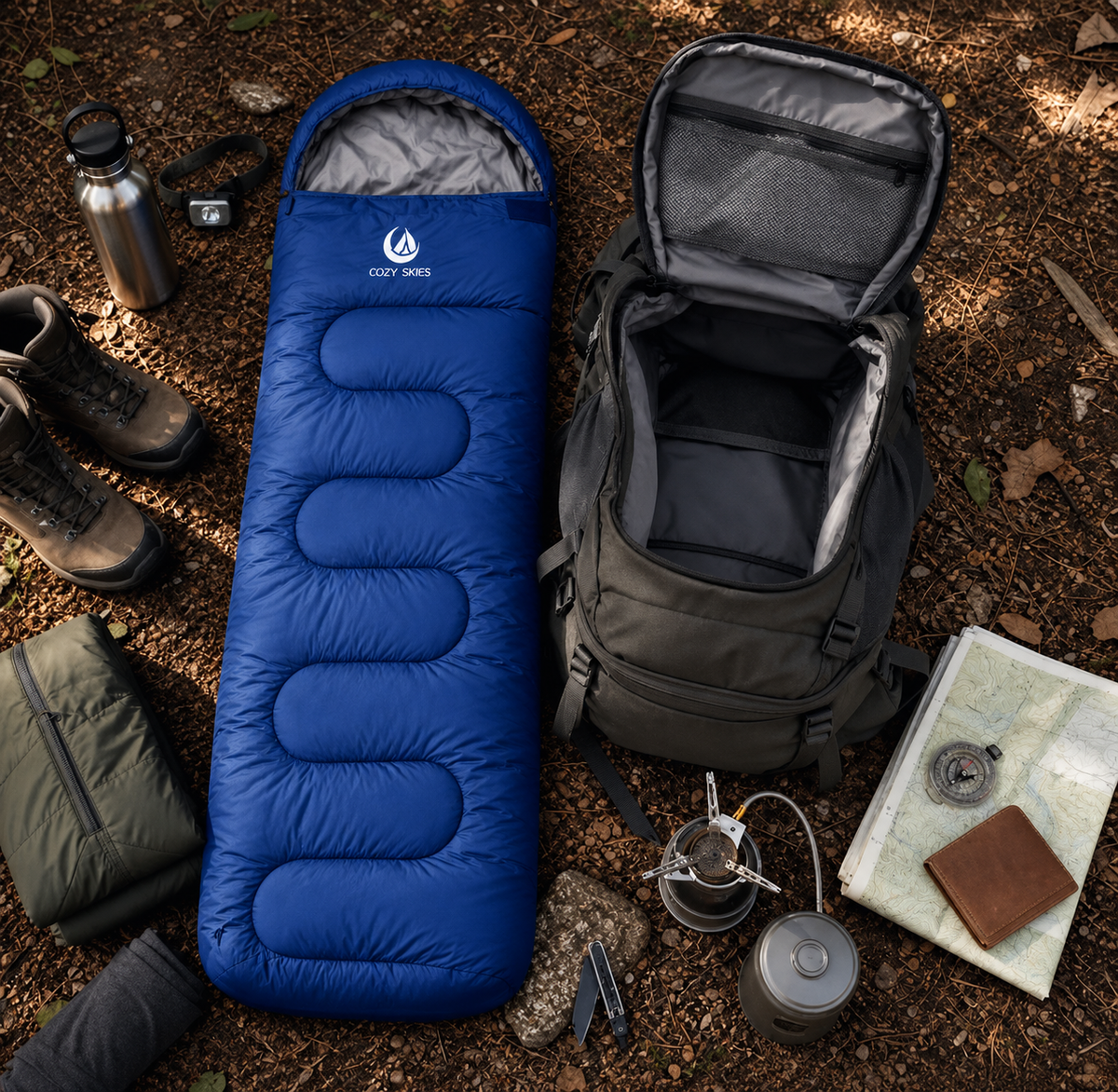
There’s something exciting about your first camping trip.
You’ve picked a campsite, checked the weather about twelve times, and you’re already imagining sitting outside the tent as the sun goes down.
Then comes the slightly less glamorous question:
“What on earth am I supposed to pack?”
It’s easy to overthink it. You don’t want to arrive at the campsite with half your house in the boot, but you also don't want to realise at 9pm that you've forgotten something rather important.
The good news is that camping doesn't require an enormous amount of gear. With a little planning and a sensible packing list, you can keep things simple and still have everything you need for a comfortable night outdoors.
So, let's start with the essentials.
1. Your tent and shelter
First things first: somewhere to sleep.
Choose a tent that's suitable for the number of people going, with enough room for everyone and some space for your kit.
If you're camping for the first time, you don't necessarily need the most complicated tent on the market. A straightforward design that's easy to pitch can make life considerably easier, especially when you're still figuring things out.
Pack:
- Tent
- Tent poles
- Pegs
- Guy lines, if required
- Groundsheet or footprint
- Small mallet
And, before heading off, have a quick practice putting the tent up at home.
Trust us on this one.
Trying to work out which pole goes where while it's getting dark and everyone is tired isn't exactly the relaxing start to a camping weekend you'd imagined.
2. A good sleeping bag
This is one piece of kit you'll definitely want to get right.
A sleeping bag should match the conditions you're expecting and give you enough warmth to sleep comfortably through the night.
For cooler British nights, look for a sleeping bag designed with suitable insulation and a temperature range that matches your trip.
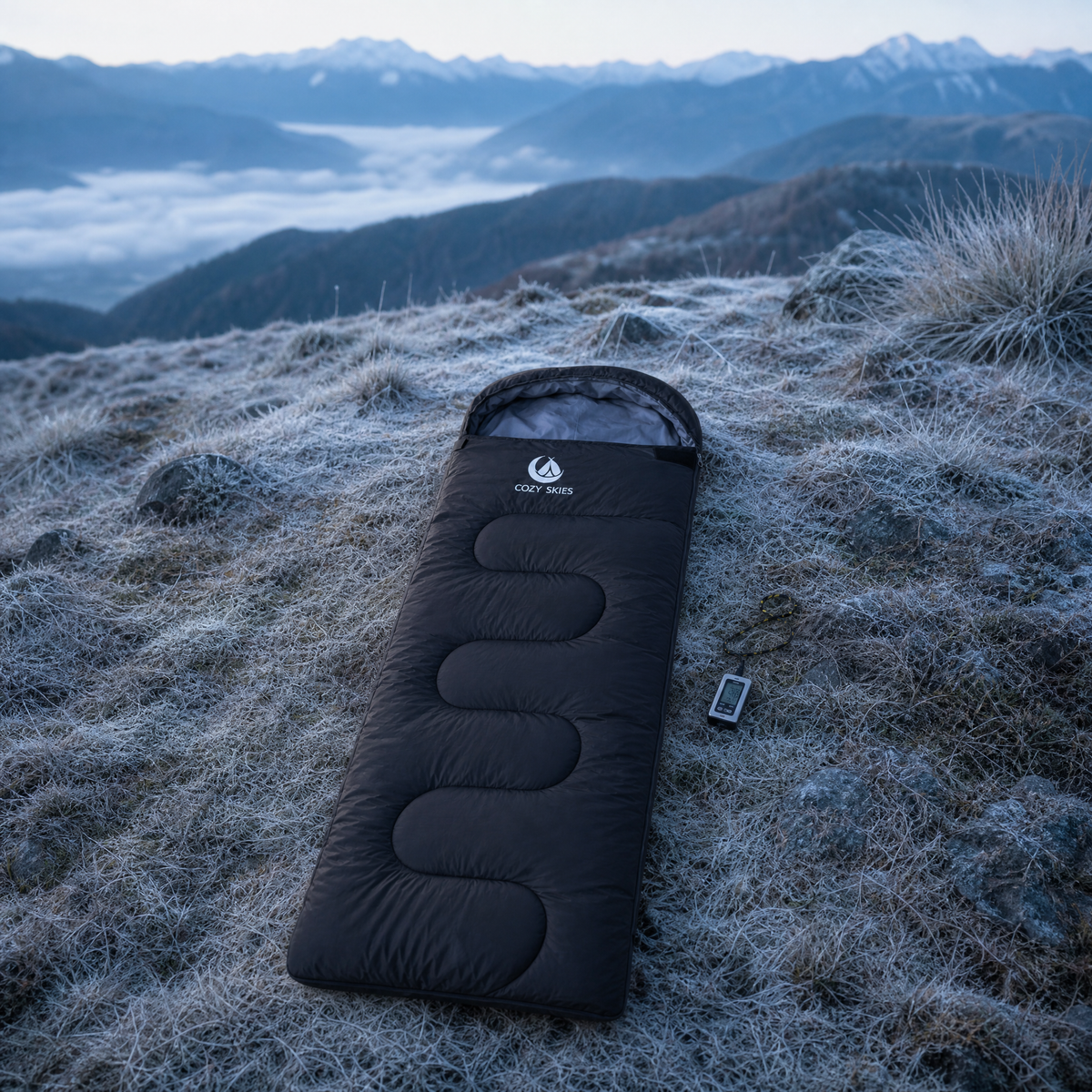
The Cozy Skies sleeping bag, for example, uses 500gsm hollow fibre insulation and is designed for cooler nights, with an approximate temperature range of -5°C to 10°C.
The important thing is not simply choosing the sleeping bag with the lowest temperature rating.
Think about the season, your campsite, how you normally sleep and the rest of your sleeping setup.
A warm sleeping bag can make the difference between waking up refreshed and spending the night counting down the hours until sunrise.
3. Don't forget your sleeping mat
A sleeping bag isn't the whole sleeping setup.
You'll also want a suitable sleeping mat to create a layer between you and the ground.
Apart from making things considerably more comfortable, a sleeping mat also helps provide insulation from the cold ground underneath you.
Choose one that's suitable for your type of camping. If you're travelling by car, you can prioritise comfort and size. If you're hiking to your campsite, you'll probably want something lighter and easier to pack.
4. Comfortable clothing
This is where first-time campers sometimes go slightly overboard.
You don't need an outfit for every possible weather scenario, but you should prepare for changing conditions.
A sensible clothing list might include:
- T-shirts
- Warm layers
- Waterproof jacket
- Trousers
- Spare socks
- Underwear
- Warm sleepwear
- Comfortable shoes or walking boots
- Hat or beanie
- Extra layer for the evening
And always pack a spare pair of socks.
Even if you don't need them, you'll be very glad they're there if your first pair gets wet.
5. Waterproofs
British weather being British weather, it's worth preparing for rain even when the forecast looks promising.
A lightweight waterproof jacket can be incredibly useful. Depending on the conditions, waterproof trousers may also be worth bringing.
You don't necessarily need to wear them all day. The idea is simply to have them ready when the weather decides to change its mind.
A dry camper is generally a happier camper.
6. Food and water
Camping food doesn't need to be complicated.
For your first trip, keep things simple. Choose food that's easy to carry, easy to prepare and unlikely to require half a kitchen's worth of equipment.
Depending on your campsite and plans, you might bring:
- Drinking water
- Breakfast ingredients
- Lunch
- Dinner
- Snacks
- Tea or coffee
- Milk or an alternative
- Cooking oil or basic seasoning
Don't forget something to eat during the journey, either.
There's a good chance you'll suddenly become extremely hungry once you reach the campsite.
7. Cooking equipment
If you're planning to cook at the campsite, you'll need a few basics.
Your setup might include:
- Camping stove
- Fuel
- Lighter or matches
- Pan
- Mug
- Plate or bowl
- Cutlery
- Cooking utensils
- Washing-up equipment
- Bin bags
Check the campsite rules before using a stove or fire.
Some places have specific restrictions, so it's worth knowing before you arrive.
8. Lighting
Once the sun disappears, your phone torch can only do so much.
Bring a reliable torch or headtorch and keep it somewhere easy to reach.
A headtorch is particularly useful because it leaves both hands free when you're cooking, organising your tent or trying to find something at the bottom of your bag.
You may also want a small lantern for inside the tent or around your camping area.
And don't forget spare batteries or make sure rechargeable lights are fully charged before you leave.
9. Toiletries and personal essentials
You don't need to bring your entire bathroom cabinet.
Keep your toiletries simple:
- Toothbrush
- Toothpaste
- Soap
- Deodorant
- Small towel
- Toilet roll
- Hand sanitiser
- Any personal medication you need
A microfibre camping towel can save space and dry quickly.
It's one of those small upgrades that makes packing a bit easier.
10. First-aid kit
Hopefully you won't need it, but it's worth having a basic first-aid kit with you.
It can include:
- Plasters
- Antiseptic wipes
- Blister plasters
- Basic bandages
- Pain relief
- Any personal medication
- Insect bite treatment
If you're heading somewhere remote, consider what additional supplies might be sensible for the location and activities you're planning.
11. Navigation and your phone
Even if you're staying at a well-known campsite, don't rely entirely on your phone.
Download maps before you leave in case you lose signal, particularly if you're heading somewhere remote.
It's also sensible to bring:
- Fully charged phone
- Power bank
- Offline maps
- Compass if you're hiking
- Relevant campsite or booking information
You don't need to turn your camping trip into a survival expedition. Just make sure you can find your way around and contact someone if necessary.
12. A few things for comfort
Here's where you can make the trip feel a little more enjoyable.
Consider bringing:
- Camping chair
- Small pillow
- Blanket
- Book
- Playing cards
- Portable speaker, if appropriate
- Sunglasses
- Binoculars
You don't need all of these.
But after you've set up camp and had dinner, it's rather nice to have something to do while you sit outside and watch the evening unfold.
13. A rubbish bag
It sounds obvious, but it's easily forgotten.
Bring bags for your rubbish and make sure you leave your campsite clean.
The simplest rule is:
Leave your campsite as you found it — or better.
The outdoors is there for everyone to enjoy, so looking after it should be part of every camping trip.
14. Your camping checklist
Before you leave home, run through this quick list:
Shelter
- Tent
- Poles
- Pegs
- Groundsheet
Sleeping
- Sleeping bag
- Sleeping mat
- Pillow
Clothing
- Warm layers
- Waterproofs
- Spare socks
- Comfortable footwear
Food
- Meals
- Snacks
- Water
- Cooking equipment
Lighting
- Torch or headtorch
- Lantern
- Spare batteries
Personal
- Toiletries
- Towel
- First-aid kit
- Medication
Practical
- Phone
- Power bank
- Maps
- Rubbish bags
And, of course, check the weather before you leave.
Don't pack everything
Here's perhaps the best piece of advice for your first camping trip:
You probably need less than you think.
It's tempting to pack every possible item “just in case”, but suddenly your boot is full and you're carrying three different types of mugs.
Keep things practical.
Think about what you'll actually use, what the weather is likely to do and how much you're going to carry.
If you're driving to your campsite, you have a little more freedom. If you're hiking with everything on your back, every extra item matters.
The night before you go
Give yourself enough time to pack properly.
Don't leave everything until the morning you're supposed to leave.
Lay your gear out, check your sleeping bag, make sure your torch is charged, test your stove and have a look at the weather forecast.
It takes a little extra time, but it can save you a fair bit of stress later.
And once everything is packed, you'll have that lovely feeling of knowing you're ready to go.
Ready for your first night outdoors?
Your first camping trip doesn't need to be complicated.
You need a reliable place to sleep, enough warmth, suitable clothing, food, water and a few practical essentials.
Everything else is there to make the experience more comfortable.
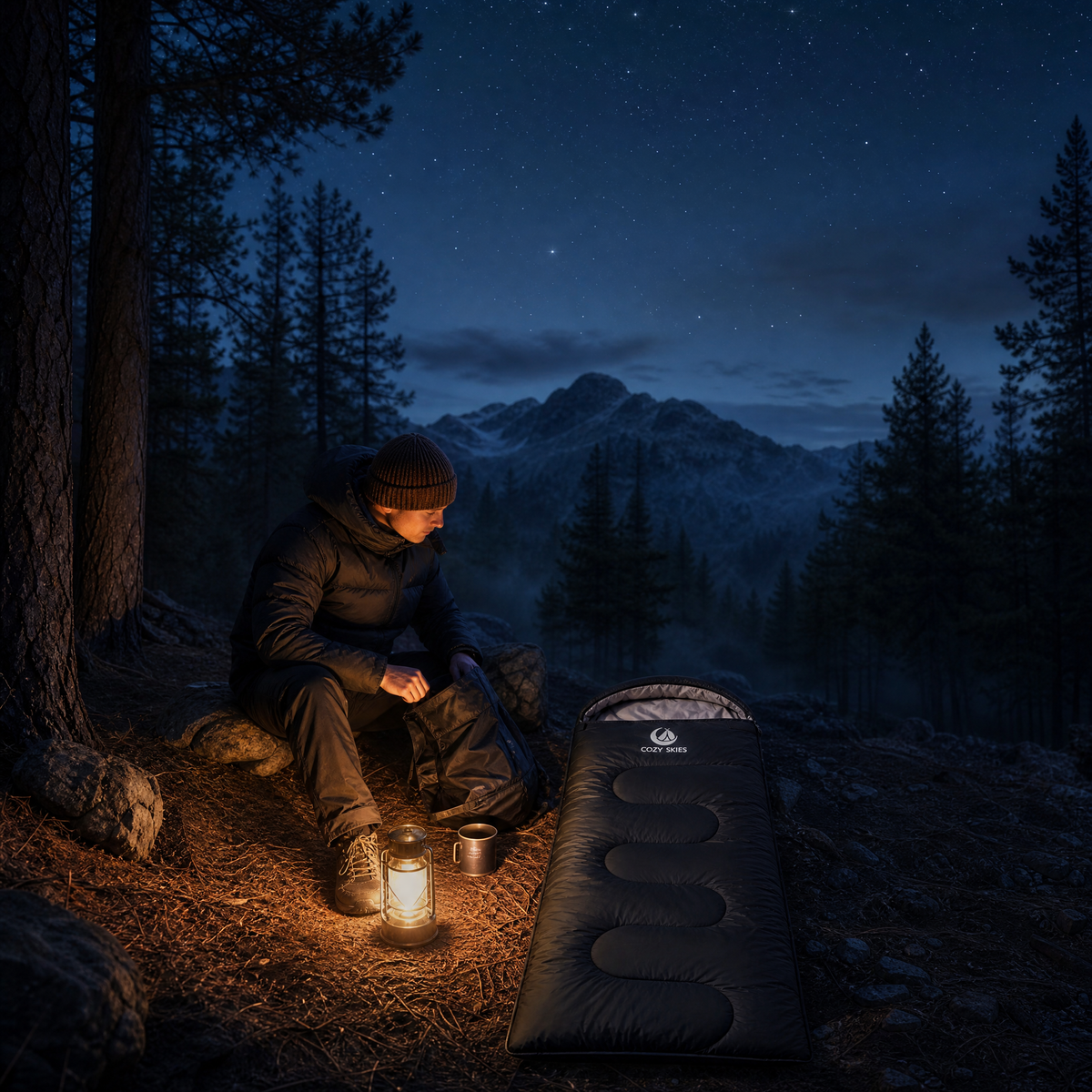
Once you're sitting outside your tent with a warm drink, watching the sky change colour and listening to the sounds around you, you'll probably realise why people keep coming back to camping.
And when the temperature drops and it's time to turn in, having a comfortable sleeping bag waiting for you makes the whole experience even better.
So pack sensibly, leave a little room for snacks and don't forget to look up at the stars.
Your first adventure is waiting.

Leave a comment
This site is protected by hCaptcha and the hCaptcha Privacy Policy and Terms of Service apply.